

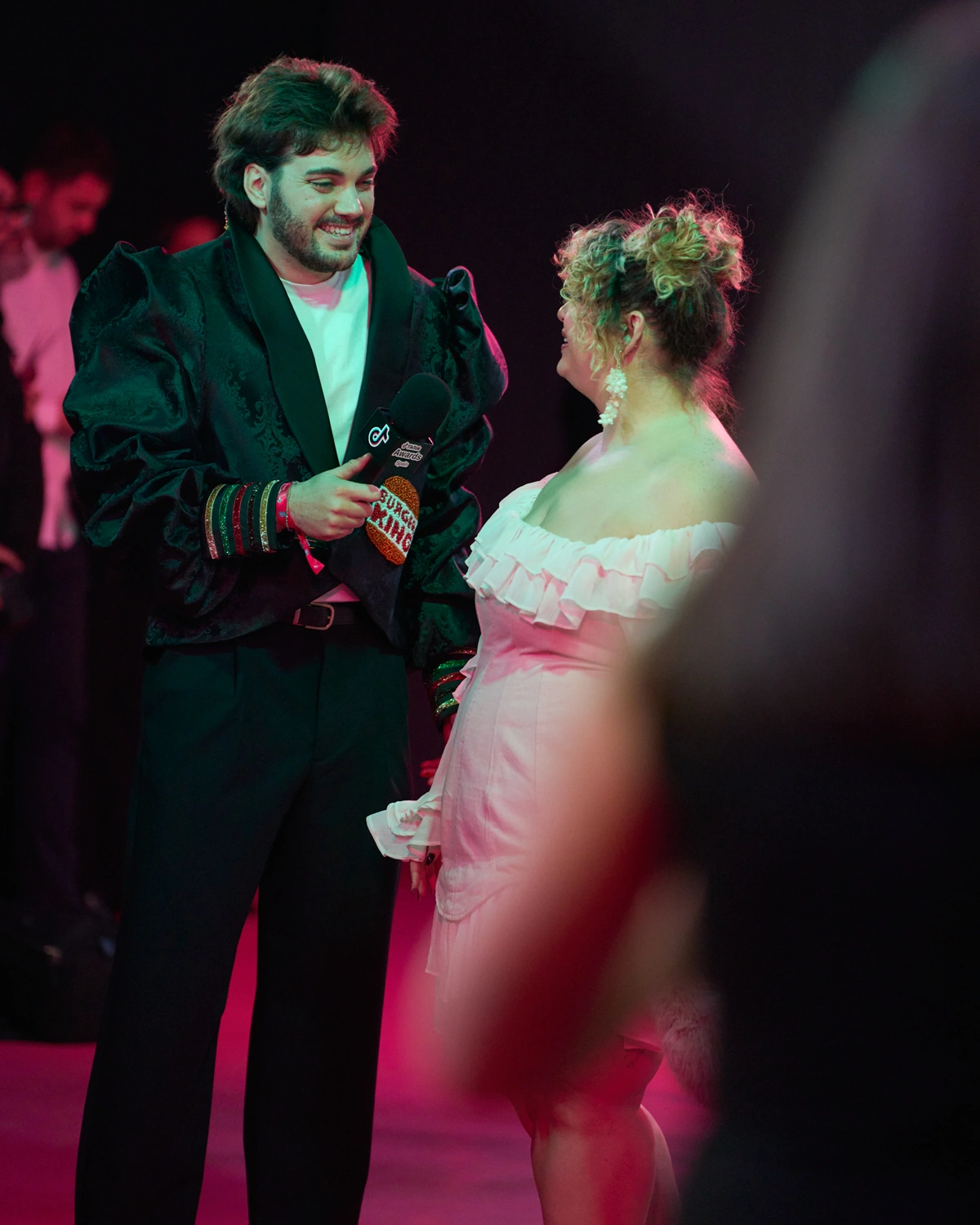
The question isn't 'photo or video', it's 'what do I want to tell, and where will I use it'. The two disciplines complement each other, but covering both well at once takes planning.
What each one delivers
Photography freezes the moment: the speaker's portrait, the full room, the handshake. It's perfect for press, reports and quick posts. Video carries energy and narrative: the atmosphere, the voices, the rhythm of the event. That's what works on social and in the recap you send afterwards.
Why combine both
- You use a single event to feed every channel
- Photo covers press and archive; video covers social and the recap
- You keep a consistent look across both formats
The practical rule: you usually need two people
One professional can't film video and shoot the key photo moments at the same time without something suffering. For serious photo and video coverage, the norm is to work as a team: one person on photo, one on video, coordinated from the same brief.
Audio: the most overlooked part
Video with great picture and bad sound is useless. If you'll have speakers or interviews, plan the audio: lapel mics, a feed from the sound desk or a dedicated recorder. It's the difference between a publishable clip and an unusable one.
Formats you can ask for
You don't need a generic 'video'. Think in specific pieces:
- Event recap (60–120s) for social
- Speaker clips and key quotes
- Interviews with team, clients or attendees
- Atmosphere and detail B-roll for future campaigns
How to prioritise on a tight budget
If you can only choose one video piece, the recap usually gives the most return: it sums up the event and is easy to share. Photography, meanwhile, remains essential for press and archive. Plan it from the start, and one point of contact can coordinate both.
Photo and video don't compete: planned well, they multiply what you get out of a single event.← Back to the blog